Unconqu(e)ered: IvyQ at Brown
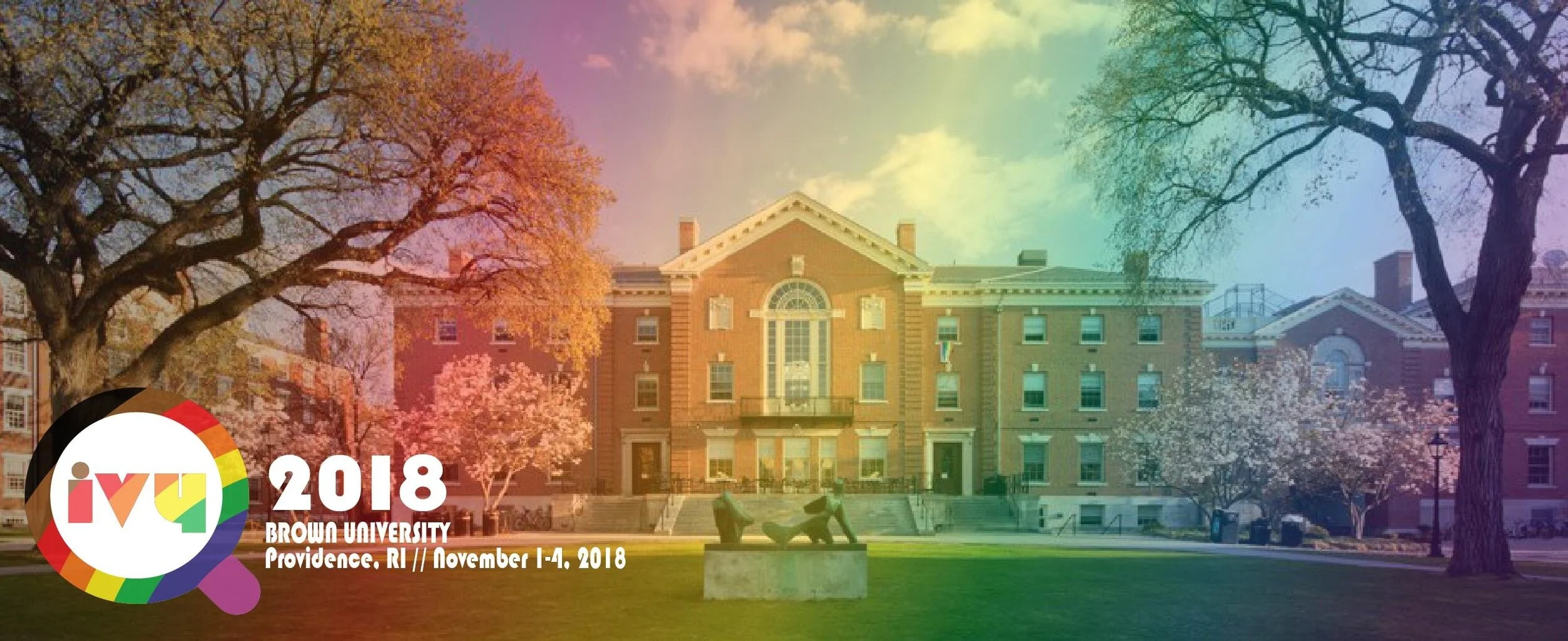
From November 1 to November 4, queer energy raged throughout Brown University. This year, our very own university had the chance to host IvyQ. Themed “Unconqu(e)ered,” this year’s IvyQ was focused on “celebrating the resiliency and creativity of LGBTQ+ people by bringing in speakers who shine in the face of the hardships that [the community] has faced.” Hordes of queer students from other colleges joined us here at Brown, as well as iconic queer speakers who spread love, knowledge, and hope to everyone. So what exactly is IvyQ? IvyQ is a huge conference for LGBTQ+ students of both Ivy league schools and other schools that serves as a huge learning, listening, and reflective space. Countless workshops, led by queer speakers, allowed participants to explore their identities and think about social constructs, such as workshops “Supporting LGBTQ youth from ultra-religious families: What happens to queer Hasidic teens?” Intersectionality was a large part of the whole event. Often times, when queer issues are discussed, we tend to focus on the gay white cisgender men. While their experiences are important, the experiences of other queer people, such as trans people of color, go unheard despite their great contributions to the queer rights movements. One of the workshops that was greatly commended by multiple participants was a workshop on “Representing LGBTQ Characters in Young Adults Literature.” This workshop was led by a Malinda Lo, who both writes and conducts research on queer YA books. One participant mentioned that they’d gone through middle school reading “deeply unrelatable and heteronormative” YA literature that turned out to be rather formative in the way they viewed the world. Writers such as Lo, however, serve to change the narrative on YA literature by writing books that can connect with queer youth and strays away from the possibly damaging heteronormative narratives that are pushed on them. What is also very commendable about Lo’s novels is that some of the the protagonists are queer (canonically bisexual) and Asian. Mainstream media generally puts sexuality on a binary, ignoring any sexualities that are not gay/lesbian or straight, and tends to represent only white people. Another participant noted just how interesting Lo’s research was, which focuses on LGBTQ+ representation in literature. She notes differences in genres; for example, she noted that science fiction tended to have a lot more genderfluid representation than other genres.

Another workshop that was highly commended was a screening of Brujos. Brujos is a queer-of-color web series about queer Latino witches who must survive a semester at school while being pursued by straight, white male descendants of the New World colonizers, and at this workshop, students watched episodes 5-10 and were able to have a video conference with the creator of the web series. One participant who went to this workshop said that this was both very entertaining and in-your-face about issues such as colonialism, heteronormativity, and racism. (Granted, the web series is about straight white men executing a literal witch hunt against gay Latinos. Doesn’t seem very subtle.) The participant also commented on one of the protagonists, calling them the “token white person,” who was essentially an “unwholesome Jonathan” (from the iconic show, Queer Eye. If you haven’t watched it, get on top of that.).

But there was a workshop that truly touched a participant’s heart: “‘Gay Culture is’ Memes.” This was “the perfect mixture of light-hearted and serious.” They believe that mental health is something that isn’t talked about enough in the LGBTQ+ community, a huge issue considering that rates of mental illness are higher for LGBTQ+ people. This workshop’s facilitator had participants explore the ways in which queerness and mental health can be similar, and many brought up issues such as isolation, impostor syndrome, and stigma. To the participant, what was also deeply warming was the emphasis on self-care and community-care. Simply talking about it openly was enough to get them thinking about the ways they could be more mindful of the mental health of others around them. There were far more brilliant workshops led by other amazing speakers. The Brown IvyQ Leadership Team truly went so far to make sure that the event ran smoothly. However, many people, including participants, reported that there wasn’t amazing publicity about IvyQ. For those who knew about the event in advance or frequent the LGBTQ+ Center, IvyQ was a topic that came up often, and there were a couple posters in the campus center at Brown. Besides that, it seemed like many people on campus, even queer people, were unaware of the event's existence or purpose.This is not the fault of the Brown IvyQ Leadership Team or the Queer Alliance. Unfortunately, it seems that queer events aren’t very well publicized at Brown. Perhaps this is because there are simply so many other student groups and events happening that it’s hard for this to stand out. The same twenty or so people come to the events, but the queer community is so much larger than twenty people, especially with RISD right down the hill. While Brown does have a great queer presence, there could be more done to expand the community and be more inclusive. *Quotes and program information courtesy of the Brown IvyQ Leadership Team Images via, via, and via.