Cultural Appropriation on Halloween
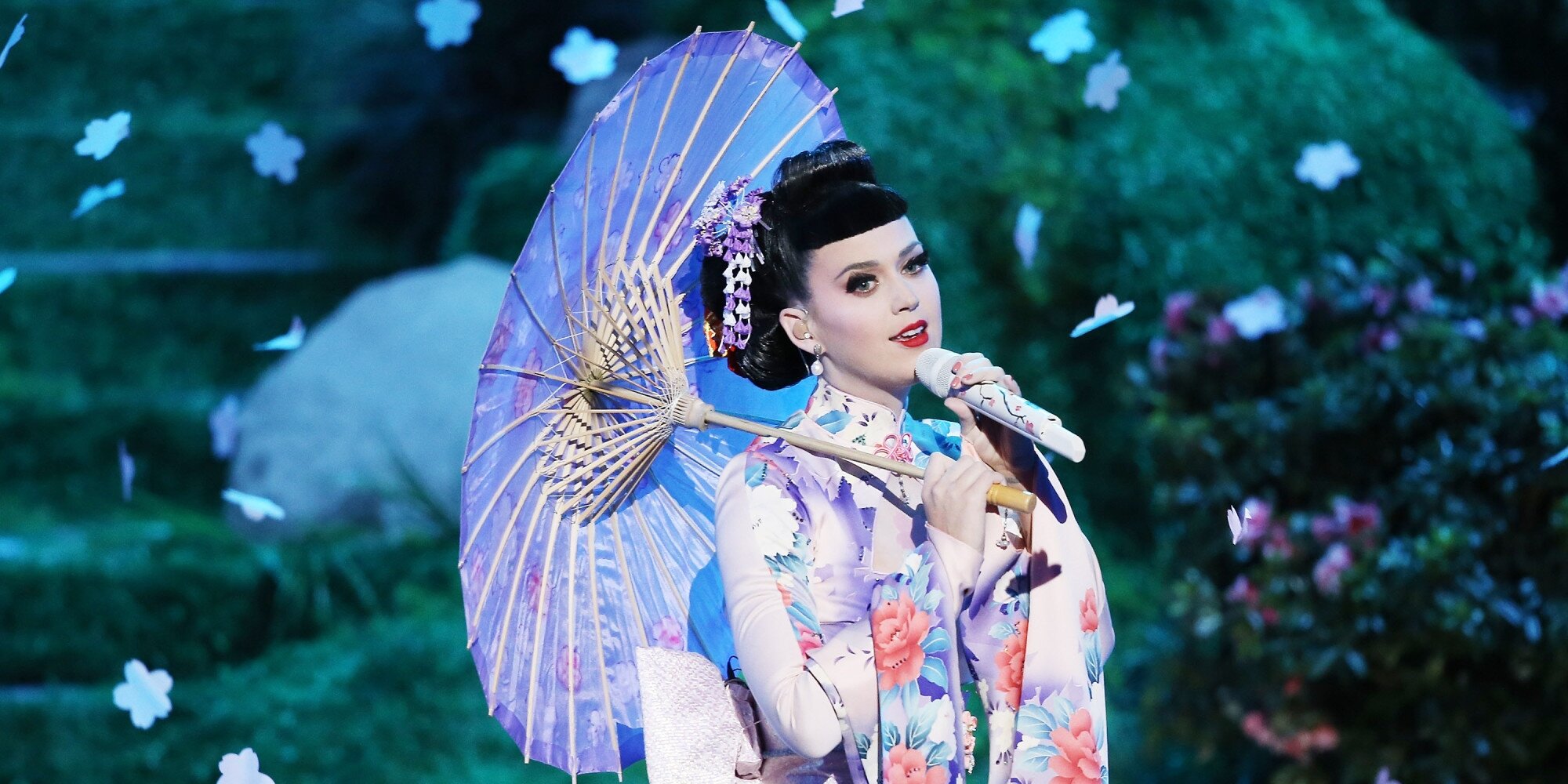
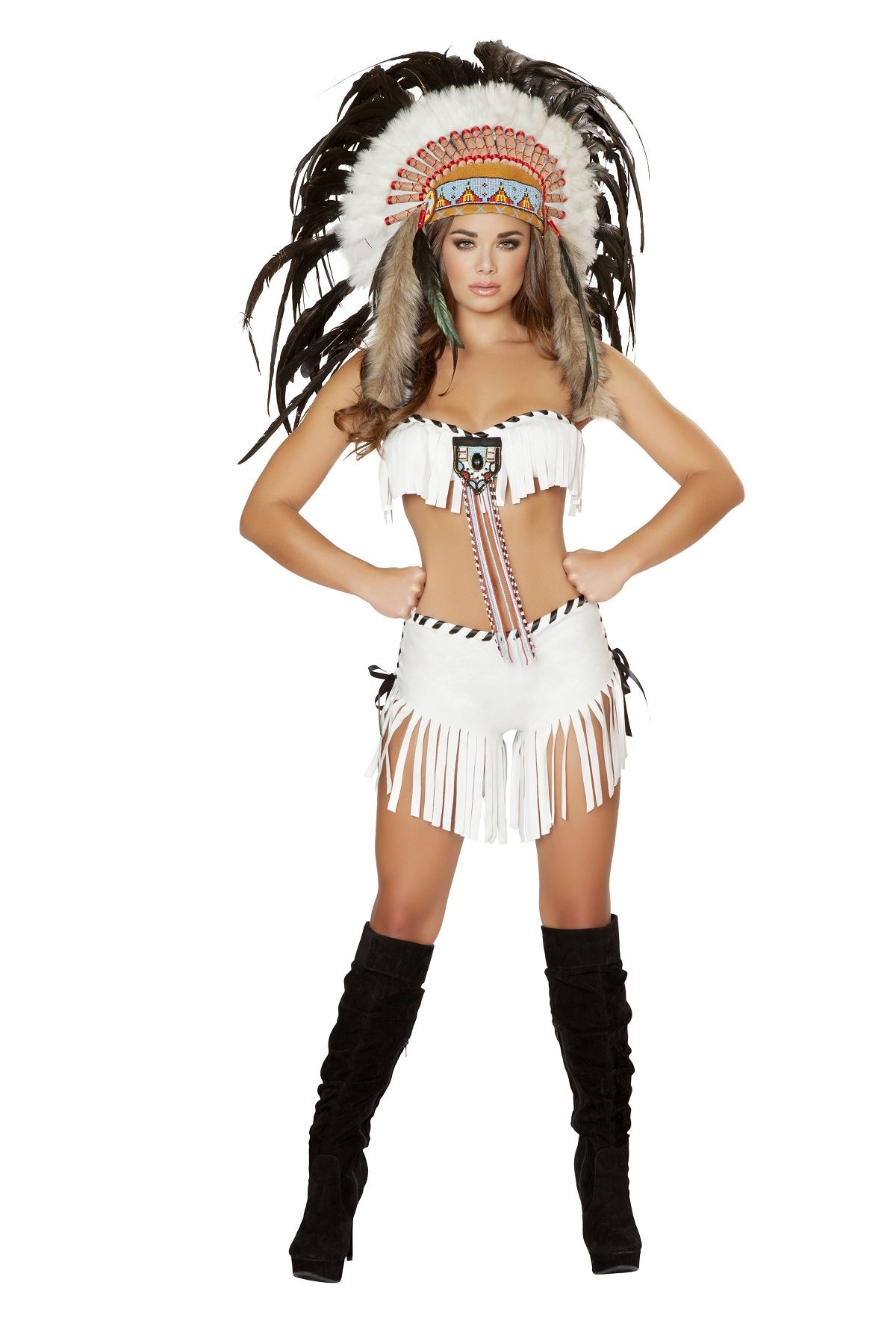
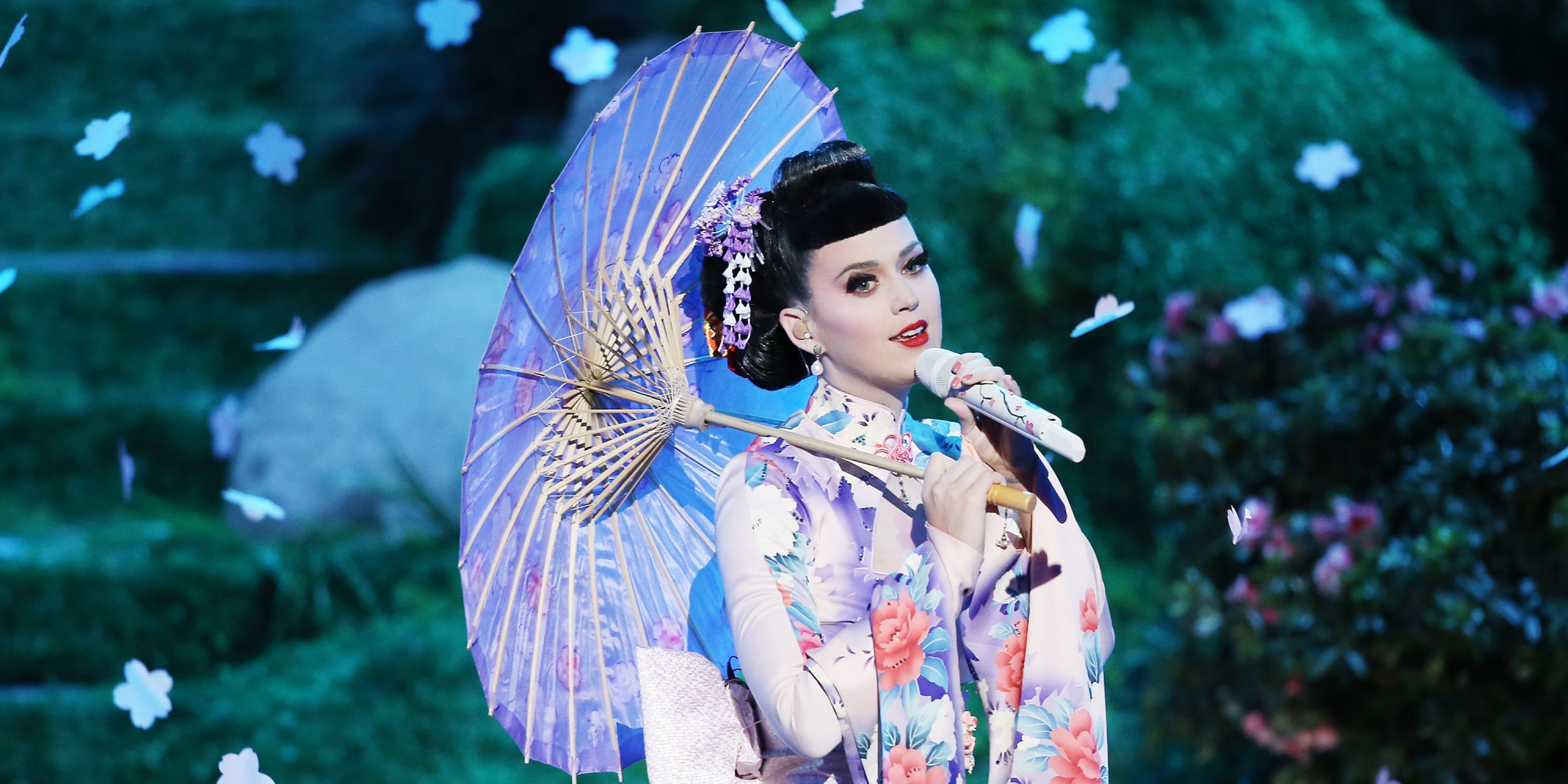
Halloween is fast approaching and everyone on campus feels it. This weekend promises to bring ghosts and vampires and probably about 5,000 people dressed as Harley Quinn or sexy Donald Trump. As terrifying as all these things may be, a more horrifying phenomenon seems to appear every year right when people start deciding on costumes. You've probably heard the term but may not be sure exactly what it means. Blog is here to give you the run-down on what people are referring to when they say "Cultural Appropriation."  What is Cultural Appropriation?Cultural appropriation occurs when a member of some culture, typically a dominant or oppressive one, adopts the elements of another culture, typically a marginalized or oppressed one, without giving those elements the respect that they are due. While the consensual intermixing of different cultures is almost never a bad thing, cultural appropriation can be thought of as "stealing" aspects of a culture and removing their original contexts. This interaction is almost always complicated by the histories of marginalization between many cultures. For example, most people these days are familiar with white Americans dressing as "Sexy Pocahontas" for Halloween. This practice is cultural appropriation because the costume ignores the sacred religious contexts of headdresses and certain other Native American garments (which is very disrespectful) while simultaneously flaunting the fact that a white person can easily erase these aspects of the original culture thanks to centuries of genocide, mistreatment, and forced assimilation of indigenous people. Why is cultural appropriation bad?Here are a few reasons that cultural appropriation is harmful:
- It exploits oppressed groups, often in ways that affirm and perpetuate negative stereotypes.
- It demonstrates societal power imbalances but trivializes them rather than criticizing them.
- It allows privileged people to "love" a culture without actually respecting or understanding it.
- Privileged people can take credit for ideas and practices that originated elsewhere, erasing the actual people responsible for them. For example, search "yoga" in google images. Almost every person pictured is white, even though yoga is an ancient Indian spiritual practice that has only been popular in the US for about 50 years.
- Privileged people can use cultural appropriation to seem "edgy" or "modern" (ie Miley Cyrus getting dreadlocks) while people of the original culture are oppressed for the exact same behaviors (schools that ban dreadlocks and afros).
What? How can a hairstyle be cultural appropriation?Cultural appropriation is all about context. This article explains this concept in more depth.  So this Halloween, what kind of things should I avoid?Unfortunately, due to the extreme breadth and variety of oppression in the US (as well as the creativity of the populace), we can't make a full list of everything you could do on Halloween that would be culturally appropriative and/or racist. To really combat this issue, we all have to think critically about our choices, costume and otherwise. That being said, here are some common acts of cultural appropriation that you should cross off your list immediately:
- Don't dress as Native Americans, Romani people (commonly and offensively known as Gypsies), or any other costume based around imitating another race or ethnicity. People aren't costumes, and the only way to try to make them into one would be to base your costume around stereotypes.
- Also, for the love of God, don't use makeup to try to change your race. The histories of blackface and other forms of race-imitating makeup are riddled with prejudice and discrimination. It's also an act of privilege, since marginalized people can't wash their oppression off at the end of the night using makeup remover.
- Avoid costumes that, though not overtly associated with one race or ethnicity, are racialized by our culture and society. Technically, anyone can be a pimp or ho. But in modern US media, these occupations are inextricably connected with black culture. Every iteration of these costumes you see will probably be based almost entirely in anti-black stereotypes, not to mention the subjugation of women and the demonization of sex workers.
- Don't do anything involving the word "exotic". Any costume that involves this word is probably a simultaneous act of fetishization and xenophobia.
- Don't go as the Native American characters from the new Harry Potter, as it has received criticism for stealing aspects of Native American culture (especially the Navajo narrative of skinwalkers).
Finally, just remember that cultural appropriation is all about context, both current and historical. If you aren't sure whether your costume is offensive or insensitive, do some research! Google costs $0, meaning that not being racist on Halloween is free.For more information about cultural appropriation, check out the blog of Dr. Adrienne Keene, a Cherokee professor here at Brown.Images via, via, and via