This Week at Cable Car: 20th Century Women
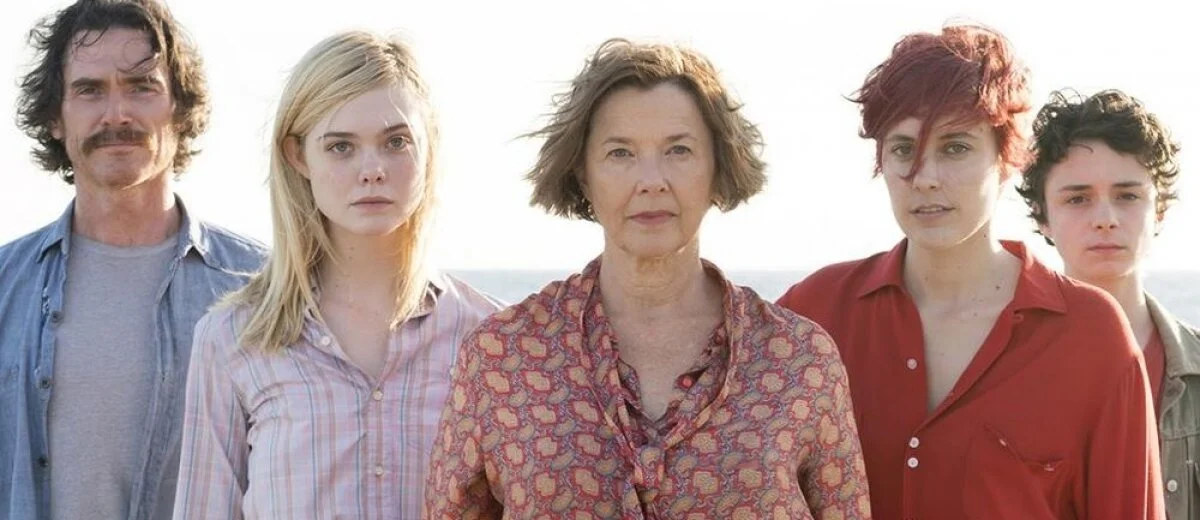
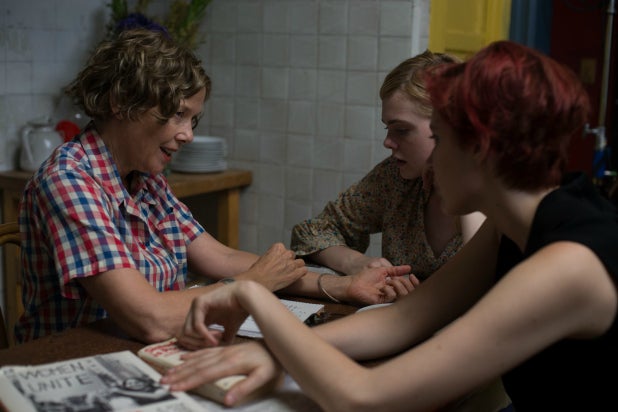
During award season, marketing campaigns are everything. Moonlight, for instance, may not have made it onto your radar without a well-structured theatrical rollout and publicity scheme, beginning all the way back in September with its high-profile debut at the Telluride Film Festival. Sure, quality matters, but it’s only part of the equation. Great films can go largely unnoticed by the mainstream without particularly strong release strategies. 20th Century Women is one of them. Despite Golden Globe nominations for Best Motion Picture and Best Actress and an Academy Award nomination (well deserved, for Mike Mills’s excellent original screenplay), 20th Century Women hasn’t achieved the same indelible mark on pop culture like the heavy-hitter trinity of Moonlight, La La Land, and Manchester By the Sea. Its theatrical release began at the very end of December, by which time marketing campaigns for films of similar quality were well underway. Mills’ dramedy masterpiece deserves recognition, though; it’s certainly one of 2016’s best offerings.20th Century Women has predominantly been lauded on account of Annette Benning’s performance; she brings poignancy and nuance to the role of single mother Dorothea Fields – necessary, since the narrative operates as a tender character study, set firmly in California in 1979, with relatively loose, unrushed plotting. The film is a success on all fronts, though. The rest of the cast certainly hold their own; Elle Fanning channels teen angst and Greta Gerwig’s singular quirky charm is balanced better than ever in a plot with sensibilities geared towards American realism. Lucas Jade Zumann also turns in fine work as Jamie, Dorothea’s son, who counters her insecurities about how to raise him with insecurities of his own about growing up and coping with ever-evolving gender roles. The writing deftly balances effective comedy with introspective family drama; Dorothea often speaks in wise maxims that double as amusing punchlines. The cinematography captures everything from picturesque Santa Barbara beaches to intimate bedroom conversations with subtly beautiful framing and an excellent color palette, including the contrasting teals and yellows of Dorothea’s kitchen and the vibrant reds of Gerwig’s hair, makeup, and wardrobe. And the score! Roger Neill’s sensational music, heavily reliant on synthesizers, swells and twinkles at all the right moments.Most of the film takes place within Dorothea’s home. One afternoon, the matriarch summons subtenant Abbie (Gerwig) and Jamie's friend Julie (Fanning) to the small table in her cozy kitchen. She has a proposition: she wants the two to help nurture her fatherless son through adolescence by actively sharing their lives and interests with him. Julie, a teen herself and blatantly incredulous, asks, “Don’t you need a man to raise a man?” Dorothea, confident in her plan, barely hesitates before answering, “I don’t think so. I think you’re what’s going to work for him.” What exactly qualifies these two girls, Abbie and Julie, for child rearing? The former is a mid-20s photographer who copes with the realization of her infertility, onset as a result of cervical cancer, by passionately participating in punk spheres; the latter, only a couple years older than Jamie, is all wrapped up in her discoveries of drugs, sex, and contempt for authority. Even Jamie is baffled by Dorothea’s scheme, and attempts to explain it by reasoning that she was raised during the Great Depression, when “everybody helped raise everybody.”
 There’s a genius behind Dorothea’s rationale, though. Soon enough, Jamie is well versed in feminist theory, contemporary music, politics, and coolness. He goes on to provide emotional support to peers and adults alike; he becomes a stand up young gentleman. 20th Century Women thus serves as a compelling deconstruction of the family unit and gender expectations within the coming of age genre, a takedown of the skeptical patriarchic value that “you need a man to raise a man.” What’s more: it’s not simply a parable for which the characters are mere props. Dorothea doesn’t steal the spotlight, and neither does Jamie. Each character is a compelling subject of interest, and receives exposure through well-incorporated backstories, complex emotional challenges, and attention to individual interests. Mills’s multimedia approach provides the perfect pastiche; cultural allusions abound through discussions of the divide between fans of Black Flag and Talking Heads, readings of works by Judy Blume, M. Scott Peck, and influential feminist theorists, and the shared narration duties of the principal cast. 20th Century Women, in short, makes a lasting impression because it is so engagingly multifaceted. See this film!Score: 5/520th Century Women will be playing at Cable Car until at least Thursday, Feb. 9image via, via, and via