
7 Ways to be a better ally
On Wednesday morning, every citizen of the United States of America awoke to an unsettled national atmosphere arising from one fact: Donald Trump, against the expectations of most, had secured the presidency.For some, this was a success. For others, this was an inconvenience. But for millions of this nation’s people of color, women, members of the LGBTQIA+ community, Muslims, and countless of other marginalized groups, this was scary.It wasn’t scary because of Trump’s promise to return power to the disenfranchised, or his assurance that he would take on the establishment, or his infamous goal to “Make America Great Again”—it was scary, simply, because so many people had voted for Trump despite all of the things that he has said and done. The list stretches for miles: His mocking of a disabled reporter. Bragging about sexually assaulting women. Proposing to create a database system to track Muslims in the US. Calling Mexican immigrants "rapists". Saying women should be punished for having abortions. And so much more.It was, and still is, terrifying to live in a nation where, as a minority, you are told to ignore Trump's blatant racism, sexism, homophobia, transphobia, and ableism and focus on his policies. It is terrifying to be told that you should look past the hate and focus on the "real issues".The truth is that we can't. It is our lives, our mental health, and our safety, and our families and communities and loved ones that are in danger. We are not insulated. We don't have the privilege to be able to look past the hate.However, this is not the time to give up and accept this message. Rarely have we been in a moment so historic, so wrought with opportunity for real social change and awareness of injustice. Now, more than any other time, is the moment where we must look within ourselves, recognize the strength and opportunity that we have, and fight to make a change in any way we can.So what can you do to lift up others in your community and your world? Here are some tips.
- 1. Understand your privilege.
Recognize that your privilege is an asset. Your status of being white, or heterosexual, or male, or thin, or cisgender, or able-bodied, or financially stable, or documented, or a member of a non-stigmatized religion---all of these states, among others, grant you access to opportunities and spaces that people, who do not share your privilege, do not have access to. The law and society protects those with privilege. Recognize that you are able to do things, say things, and have certain mindsets that not everyone else has the luxury of having.
- 2. Educate yourself.
It is not the duty of your black friend, or your queer friend, or your Muslim friend, to explain their entire worldview to you. Read books, browse the Web, exercise your amazing opportunity at Brown to take classes that expand your horizons. Discourse is wonderful and important, but there is also a lot you can learn on your own.In the words of Arthur Chu, American columnist and 11-week Jeopardy! winner, "And asking your black friend or Asian friend what books they'd recommend will probably be received a lot better than asking them to explain race to you right then and there." 
- 3. Notice bias within yourself and your world.
Rebecca Carroll, op-ed writer for the Guardian, writes, "When you are taking in media, notice when you've just finished reading five stories on a website, or watched six trailers in front of a movie... without seeing a single person of color (other than Beyonce). When you are on the subway and you see young black people talking loudly, expressing themselves and letting off steam, realize they see you looking at them, clutching your bag, passing quiet judgement you likely don't even know you're passing."We aren't perfect. We make mistakes. None of us emerged from the womb fully "woke". We have all been shaped by our communities and our media to hold beliefs that, on a conscious level, we might not realize are prejudiced. Learning to be a more conscious, supportive, and active person is a process. Look more closely at the world, and your own behavior, and strive to fight the prejudice within yourself.
- 4. Don’t get defensive or make things about yourself.
When someone calls you out for saying or doing something offensive, often, the first reaction is to say: I'm not a racist. I would never say anything sexist. You're wrong. That's not me. Instead of attempting to defend yourself or distance yourself from your actions, ask yourself: What about my actions provoked this response? Don't switch from the important issue at hand to self-defense. Rather than immediately getting upset and feeling like you've been attacked, apologize and analyze why what you did made someone else feel a certain way, and take steps to prevent such a thing from happening again.
- 5. Listen.
No matter what, no matter who, no matter if you agree or disagree with what they're saying---listen. Make members of marginalized groups, who so frequently find their voices silenced, their pain ignored, and their issues overshadowed by the rest of the world, feel heard. There are few things more powerful than truly making an effort to understand how someone else sees the world. Validate the experiences of others. Listen. 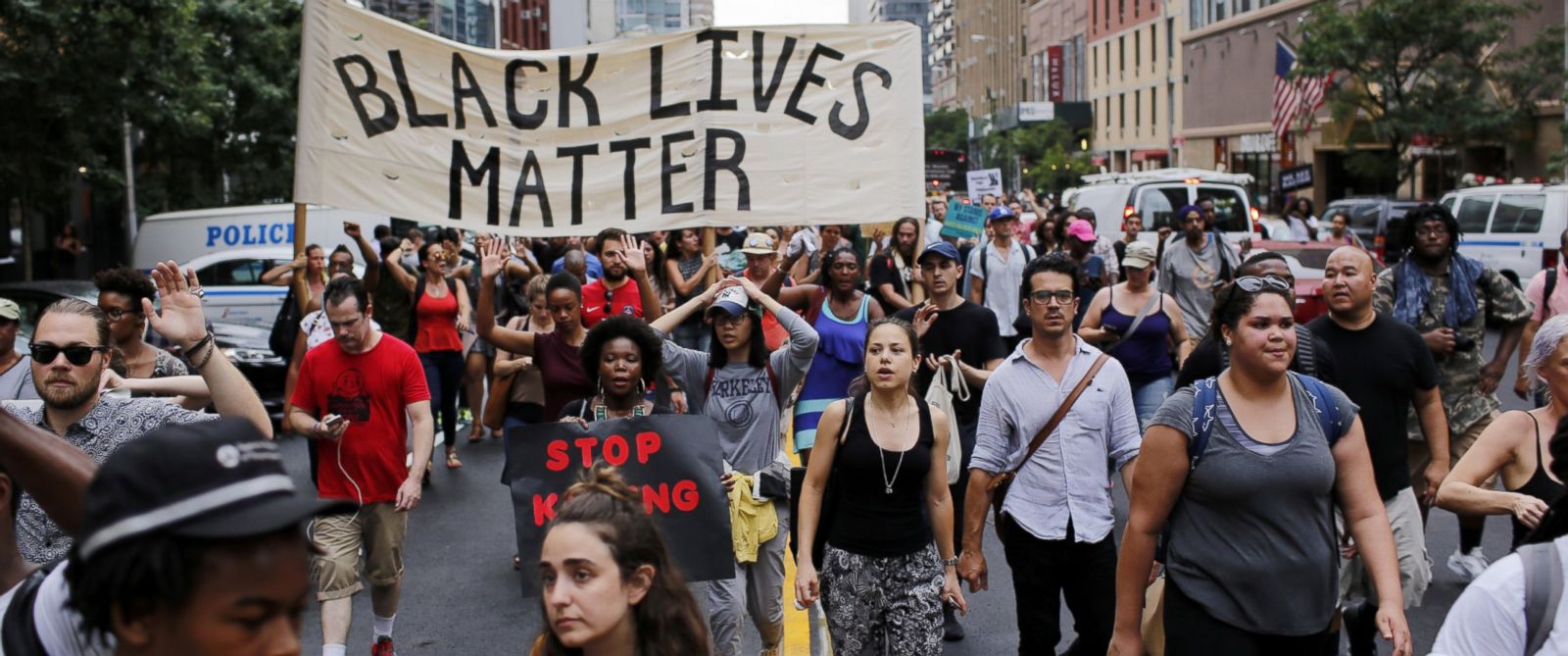 6. Get up and protest (and work amongst other privileged people).Sara Sahim, co-host of intersectional podcast Not All Women, puts it best: "Live-tweeting Ferguson to hashtagging victims of police brutality’s names is modish, but lackadaisical. Sharing this article and putting “ally” in your Twitter bio does not qualify you to check off your daily 'good ally deed to people of color.' You want the "ally" label without earning it. Get up and protest. Understandably, protests are inaccessible to many, but there are other options. I’m a firm believer in DIY activism, and it’s something with which I am actively involved. Create something—zines, art, podcasts, articles." At Brown, the possibilities are endless. Organize a protest, join a group, create art. Join with others, like-minded or not, for discourse. There is literally so much you can do.Perhaps the most effective form of support for disempowered groups can be shown in communities of privilege. Show support and stand up for your beliefs in your own families, neighborhoods, and communities--especially if those are places where those voices aren't commonly heard. Call out racist thought amongst your friends. Don't laugh at fat-phobic jokes. Have that conversation with your mom about your thoughts on gender-neutral public bathrooms. The strongest form of resistance comes from within.
- 7. Stop thinking of “ally” as a noun.
The word "ally" is not something to stick into your Twitter bio and feel proud about. It's not something you announce in a Facebook post for all of your friends and family to like. As activist Mia McKenzie, founder of website Black Girl Dangerous, writes, “ 'Currently operating in solidarity with’ is undeniably an action. It describes what a person is doing in the moment. It does not give credit for past acts of solidarity without regard for current behavior. It does not assume future acts of solidarity. It speaks only to the actions of the present.” Never stop fighting. Never grow complacent. Your struggles and the struggles of others in your community and world are important and worth fighting for.