
Sitting Down with Professor Françoise Hamlin
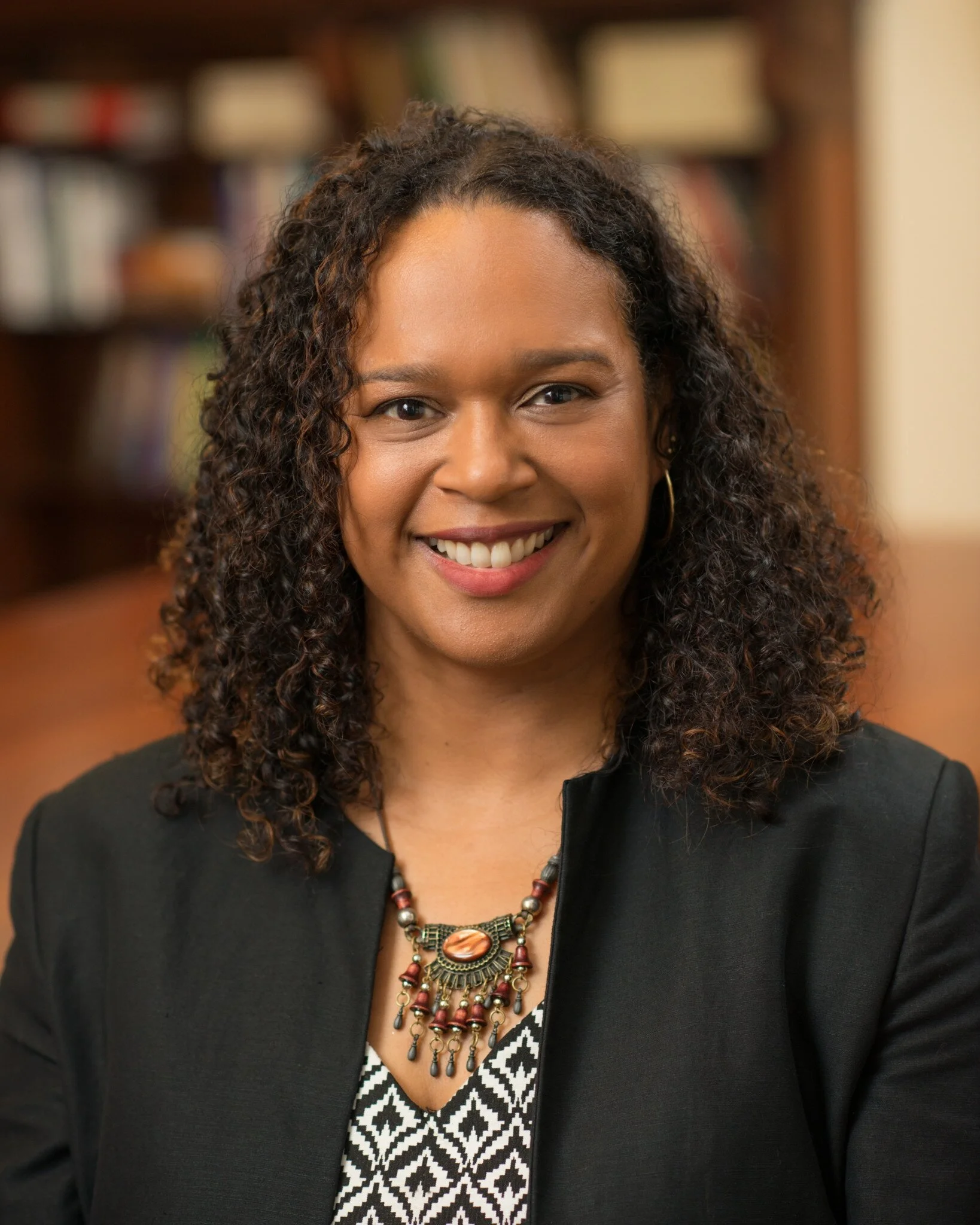
The Blognonian sat down with Françoise Hamlin, an Associate Professor in History and Africana Studies, to discuss her evolving role as a teacher, mentor, and advisor in Brown's increasingly activist campus. Hamlin (Ph.D., Yale University, 2004) teaches courses in twentieth century U.S. History, African American History, Southern History, Cultural Studies and Africana Studies.The Blognonian: How do you see the role of the Africana Studies Department evolving in a more activist academic climate?Françoise Hamlin: There exists a highly intellectual foundation in Africana Studies. I think most of activists are coming out of Africana Studies and looking at the world with a youthful activist impetus that has always driven universities. Historically, there’s never been change without protest. Power secedes nothing without protest and struggle. The University has been positively reactionary, and has listened, but has not initiated much change without a push. The Africana Studies Department needs to grow and be supported institutionally. Most of the questions and demands in the Diversity Inclusion Action Plan (DIAP) came out of the 1960's, when Africana Studies emerged. For us, these are 45-year-old questions, almost like the reinvention of the wheel. In the momentum to adapt [Brown's] campus, it is critical that Africana Studies not be left out in terms of resources, especially while other departments are also trying to diversify. As a unit, there needs to be that space for deep diasporic critical thinking that provides alternative frameworks from western thought. Diversity must include a diverse curriculum and knowledge sources.The Blognonian: How has your role at Brown expanded to provide mentorship and advising beyond traditional classroom duties?Hamlin: Most of us as faculty are busy being faculty and have various roles as teachers, advisors, and committee work. It is our job to bring diversity to those spaces too, and we are in turn pulled in many directions. My role is to provide that space for open dialogue with students where they can talk about their expectations and strategies in improving campus-wide diversity initiatives. Being the safety net, and a place to debrief and talk for activist students, is equally important. Additionally, I have a responsibility to mentor the junior faculty as a tenured professor. It is easy for students to criticize faculty for not being active, yet they only see the tip of the iceberg. A lot of conversations and quiet work go on that students are not a part of. For example, many faculty worked on the DIAP over the holidays for extended periods. Not all of us can be on the front lines.The Blognonian: You work in the Africana Studies and History Departments. How do you divide your attention between the two?Hamlin: It's supposed to be 50-50 in both but it rarely works out that way! Many students in my classes also come from across the campus and are starting to see the connections in their fields with politics, economics, and race. As a historian, it is my job to provide the background for what they’re seeing and experiencing now. With the Africana Studies methodology of critical thinking around the questions of race, inclusion, and sites of knowledge, it is critical to equip students with new questions and methodologies to bring back to their respective concentrations. A lot of these students actually come back and double major in Africana Studies. The students in the History Department tend to be more “traditional,” yet the faculty has really embraced teaching methods on how the past informs the present. It is highly important, especially now, to show why history is still relevant.The Blognonian: What are your thoughts on Brown's Diversity Inclusion Action Plan moving forward?Hamlin: Overall, I am very pleased with the DIAP, and while it does not cover all of the demands, it is highly ambitious. The DIAP is really dealing with domestic racial groups, HUGs, and not a global conversation about the plight of people of color and of African descent. If it can pull off what it says, it will change Brown for the better. I will continue to support and be involved in any initiative that will actually do the work that is laid out in the plan. I am equally pleased with how Provost Locke has stepped up and displayed true leadership, listening to the student population at all levels. While graduate students from the Africana Studies Department led the first push that led to the DIAP, I am excited to see how much of it will happen, and that is where my energy will be directed toward in the next few years. Image via.